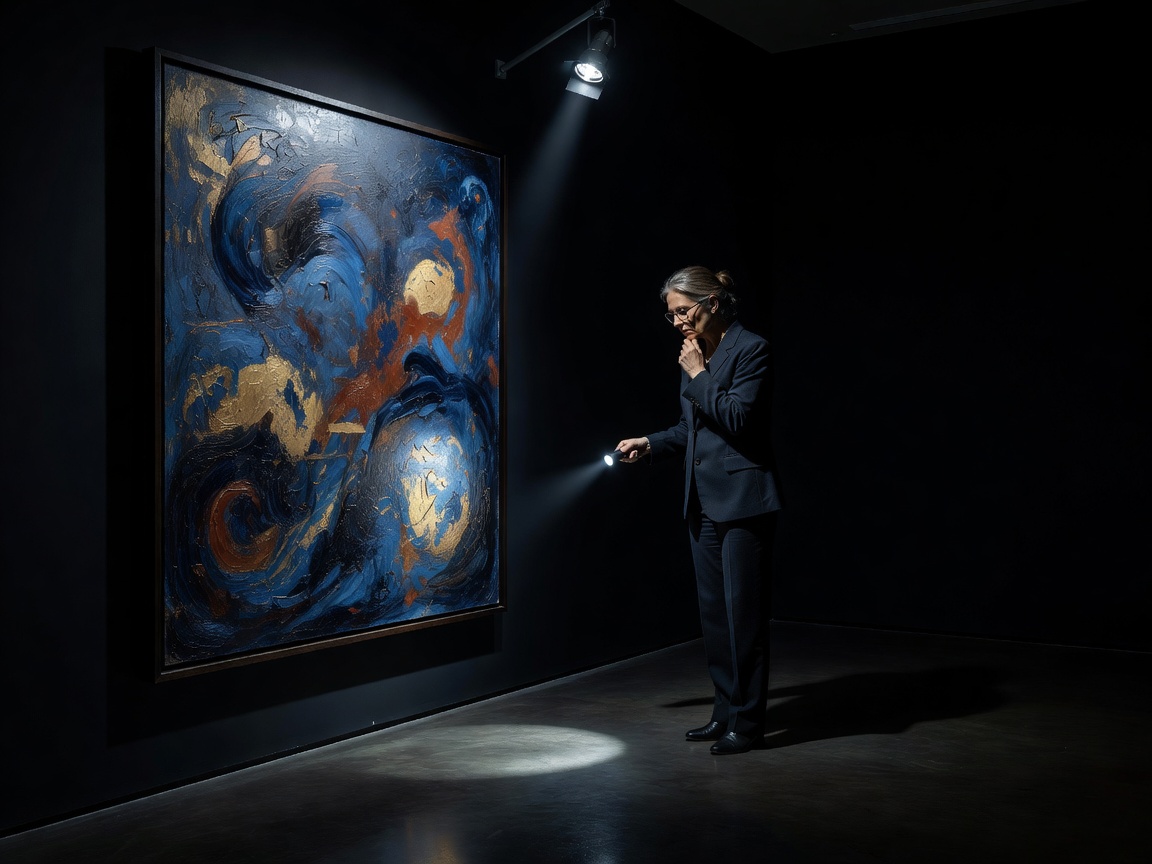
When normal museum hours end and daytime visitors exit into the city night, a fundamental shift takes place inside the gallery walls. The bright, uniform overhead illumination meant to maximize visibility gives way to rich shadows and dramatic low-key spotlights. In this nocturnal realm, artwork is not merely viewed—it is experienced emotionally.
The Psychology of Nighttime Aesthetic Engagement
Studies in visitor psychology reveal that reduced ambient lighting heightens auditory and visual sensitivity. Free from daytime visual noise and crowd bustle, visitors spend an average of four times longer observing individual masterworks during evening sessions. Shadows frame the canvas, creating a natural vignette that draws the human eye directly to brushstrokes and subtle gold-leaf highlights that remain unnoticed under daylight.
Lighting Architecture: Modern LED Chiaroscuro
At Festivalsortspark, our nocturnal exhibitions leverage precision narrow-beam LED illuminators calibrated to color temperatures between 2400K and 2700K (warm amber tones). This replicates the historical candlelight conditions under which Rembrandt, Caravaggio, and Titian original crafted their masterpieces. By controlling ambient scatter light, we allow depth, shadow, and texture to re-emerge naturally.
Key Takeaways for Evening Viewers
- Acoustics slow down pulse rates, increasing visual retention.
- Warm directional spotlights emphasize brushstroke relief and marble polish.
- Intimate guest caps ensure undisturbed individual contemplation.
For research references and upcoming late-night symposiums, explore our full events calendar or get in touch with our curatorial desk.